Reminder:
There is no school
March 16 - March 20 |
|
|
|
7:40 - 7:55: Students should not arrive prior to 7:40. All students enter through the main doors. Breakfast is served. Students may not enter the building until the bell rings at 7:40. 8:00 am: School begins 2:35 pm: Dismissal for all walkers and parent pickup 2:40 pm: Dismissal for bussers |
|
|
|
March
2 - PTA Meeting @ 7:15pm in the Pinecrest Media Center
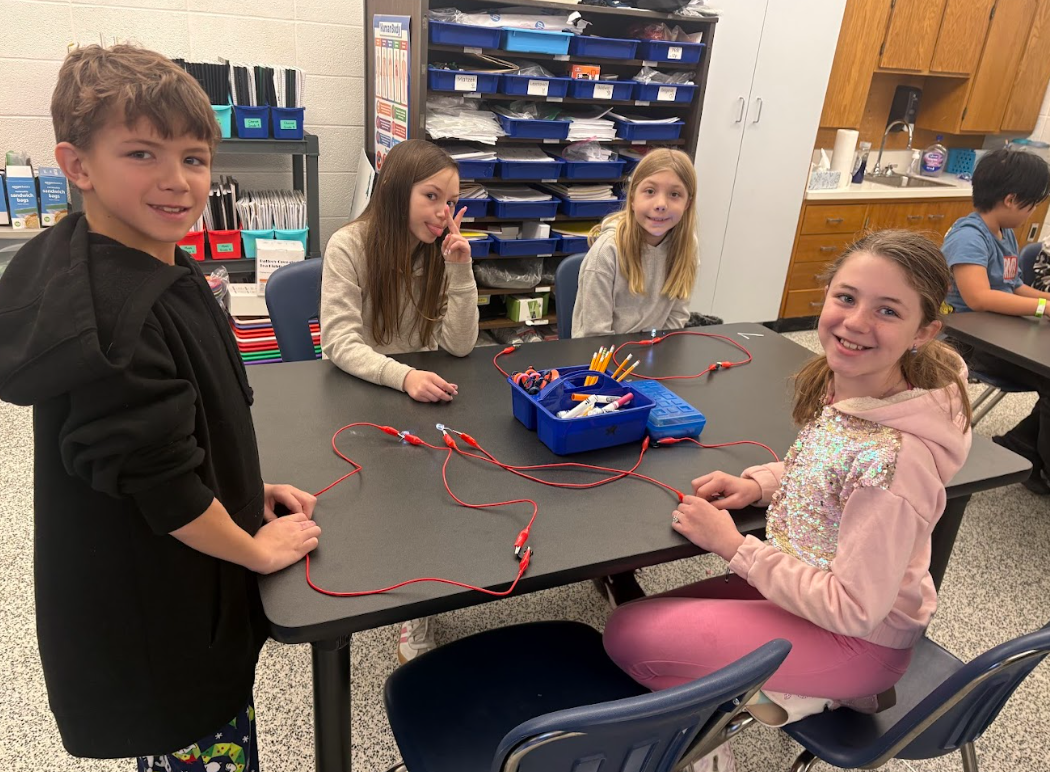
4 - STEAM Night 5:30 - 7:30pm
16 - 20 - No School: Spring Break
31 - Culver's Night April
3 - No school
6 - PTA Meeting @ 7:15pm in the Pinecrest Media Center
10 - Yearbook order deadline
24 - No school: Staff development
27 - PTA Meeting @ 7:15pm in the Pinecrest Media Center
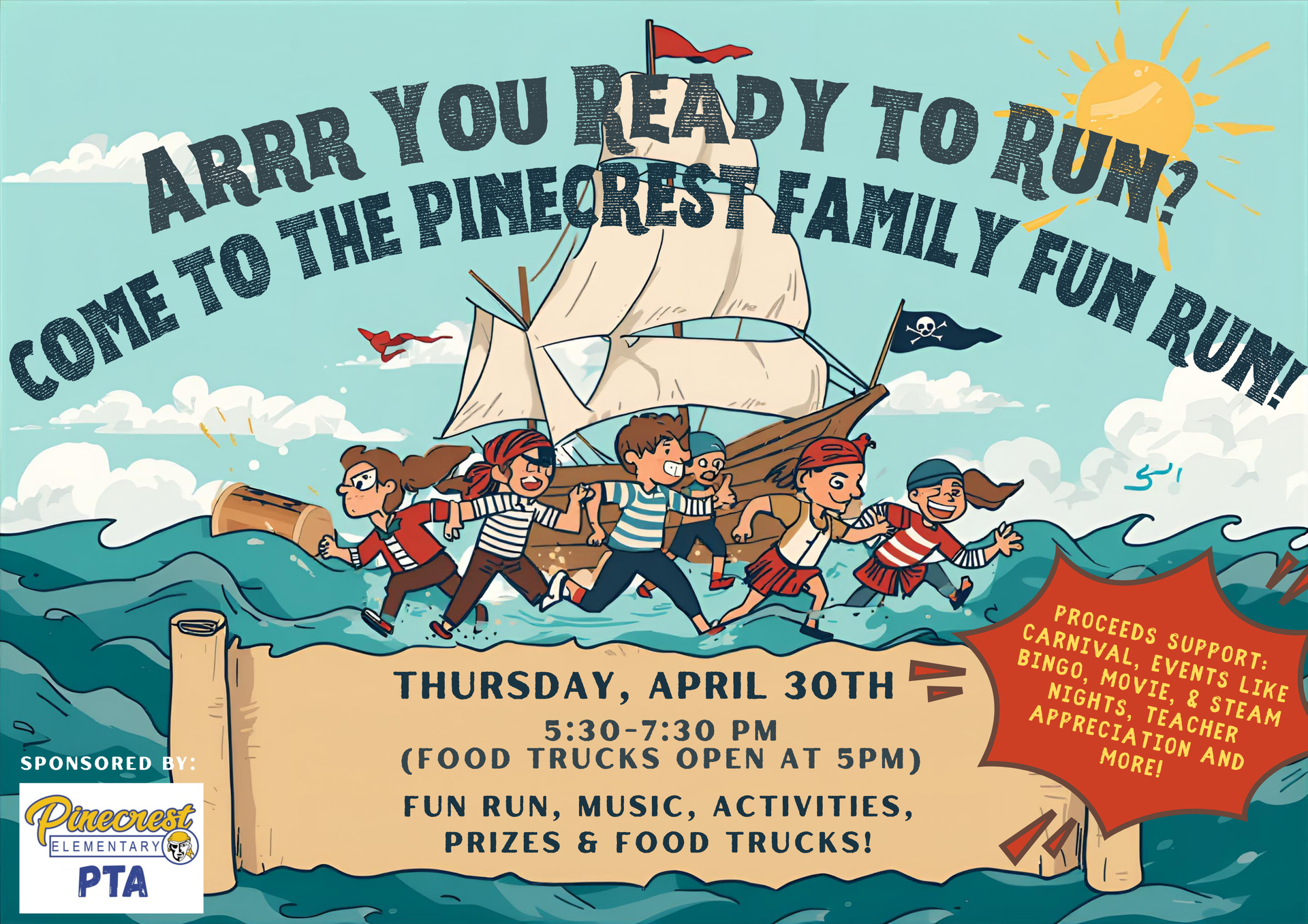
30 - Pinecrest Fun Run 5:30 - 7:30pm
|
|
|
|
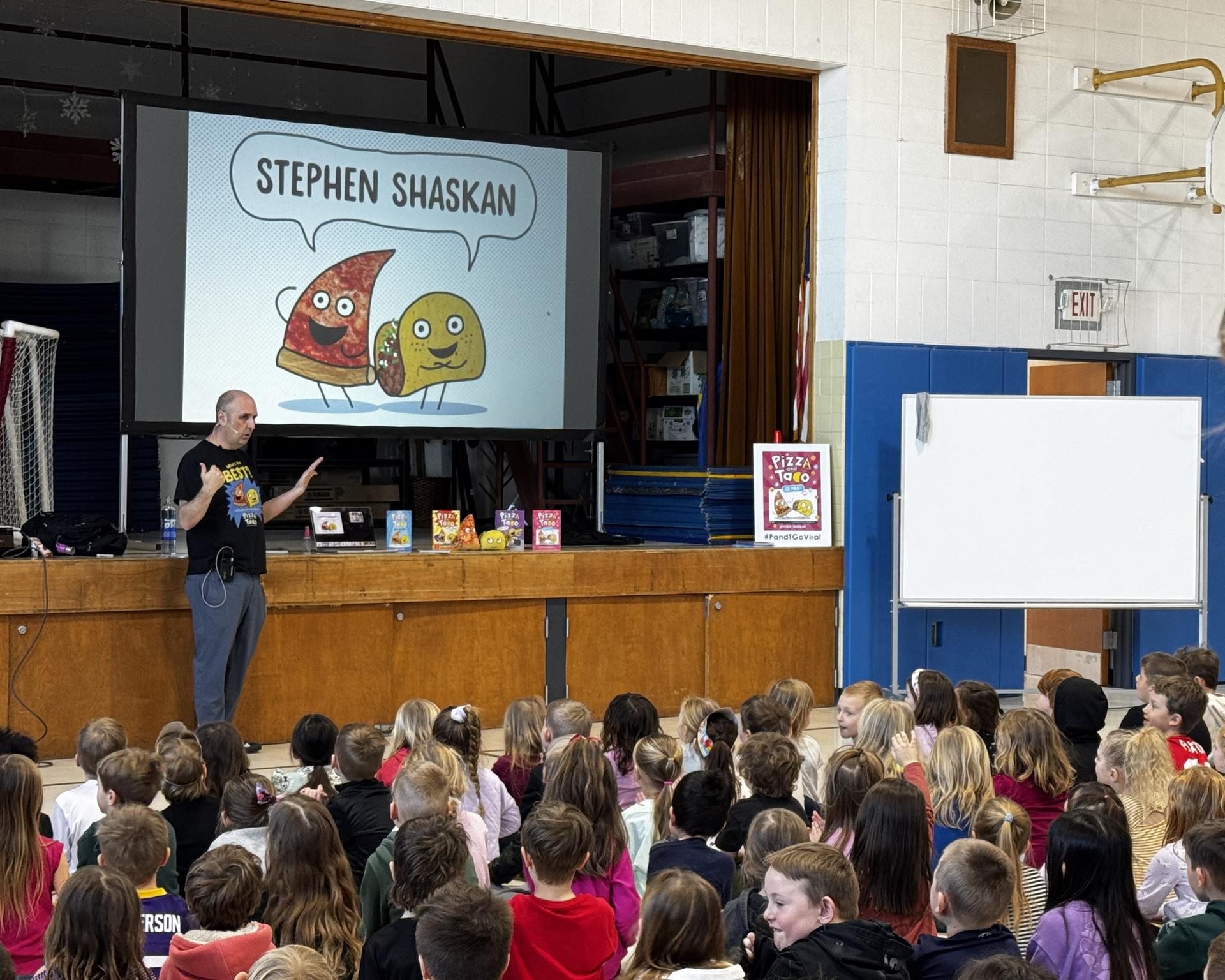
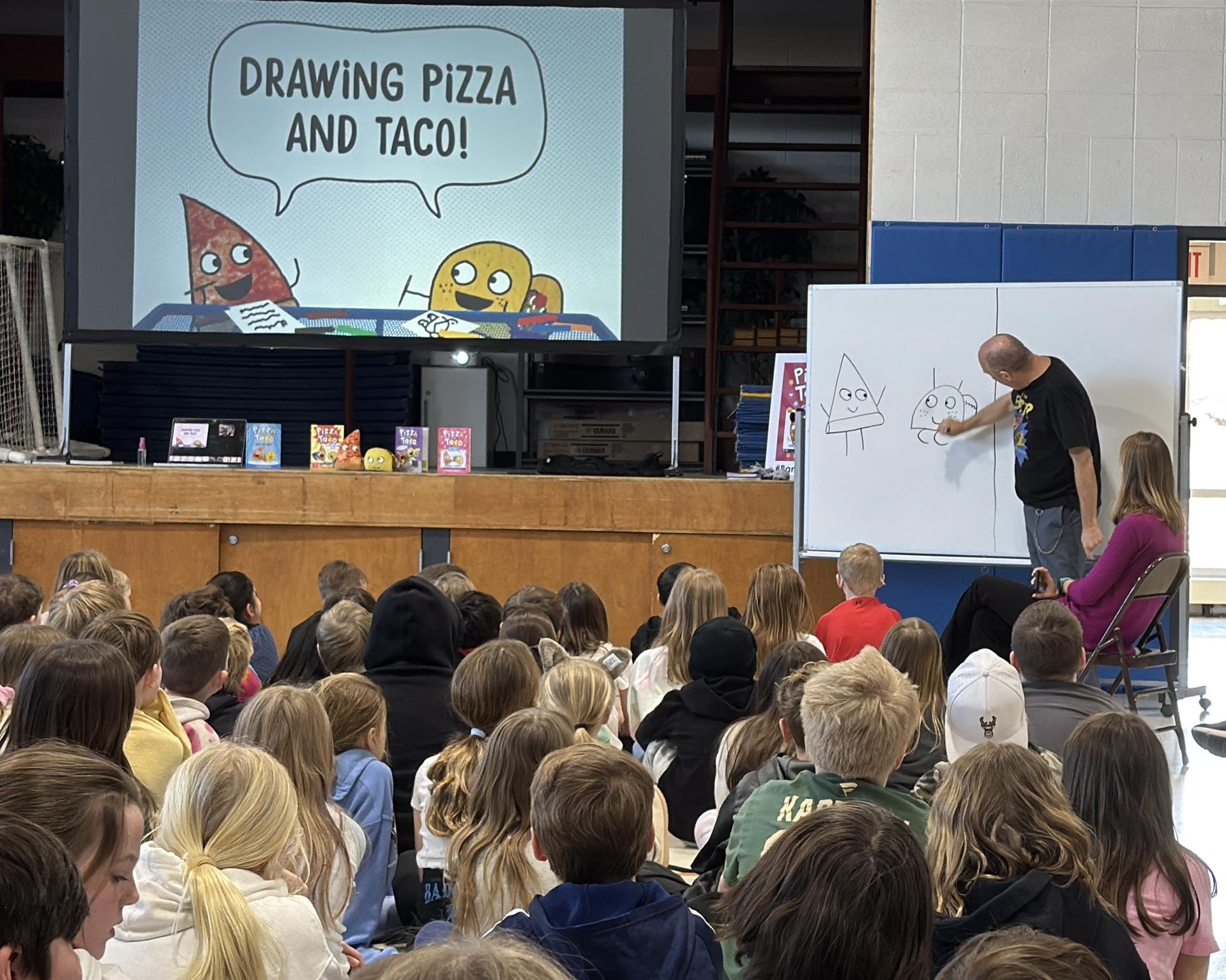
Pinecrest celebrated Read Across America Week with a special visit from author and illustrator Stephen Shaskan. Stephen spoke with our K–4 students about his books, shared what his writing process looks like, and even showed them how to draw some of his characters. He also brought along his electric ukulele, playing songs and getting students involved in the fun.
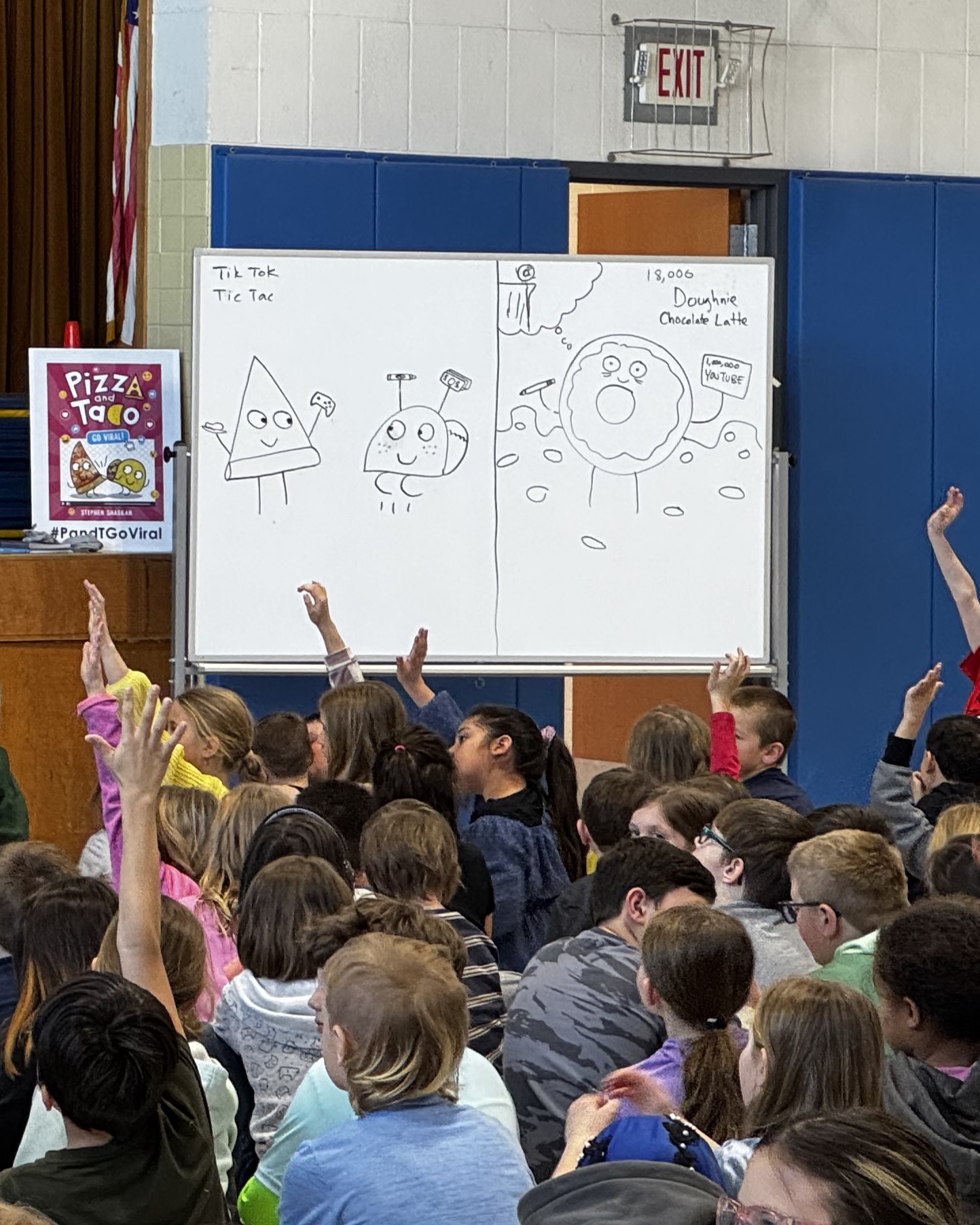
With the help of our 2–4 students, Stephen even created a brand-new character—an 18,000-year-old doughnut named Doughnie Chocolate Latte! The students thoroughly enjoyed the visit, and Stephen’s Pizza and Taco books have been flying off the shelves in our library ever since. |
| |
|
2026-2027 Class Placement
|
Class placement forms are now available in the office for families who wish to share specific input regarding their child’s 2026–27 classroom assignment. Please note that requests for specific teachers should not be requested on this form. Completed forms must be returned, to the office, by Friday, April 10. Kindly do not submit this information by phone or email. |
End of Day Transportation Changes
|
When there is a change to your child’s normal dismissal plan, please contact the main office at 651-480-7280 by 1:35 pm if possible so we are able to get a message to your child and their teacher before the end of the day. |
|
|
|
2026-27 kindergarten registration is open. Please register here. |
|
|
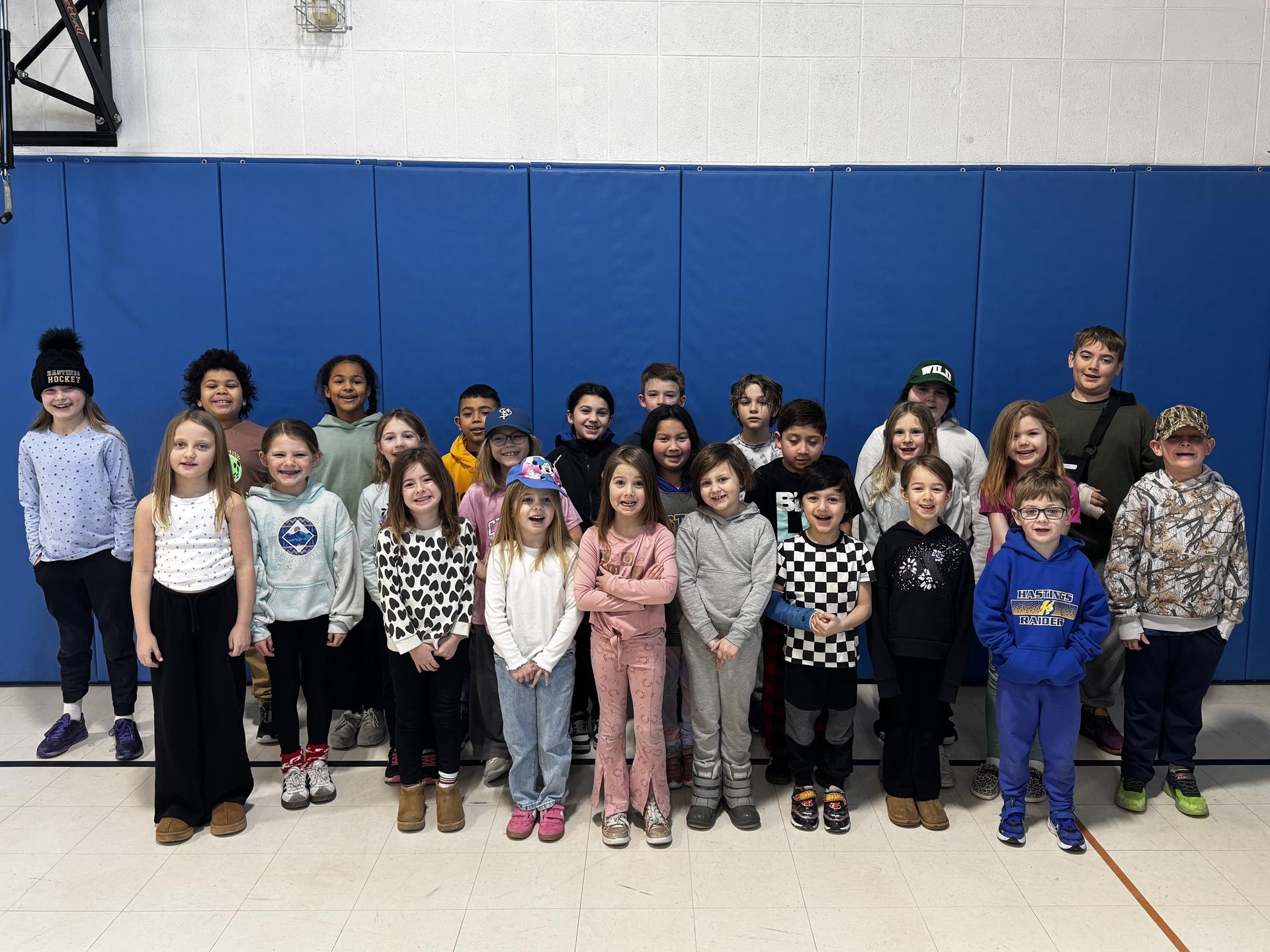
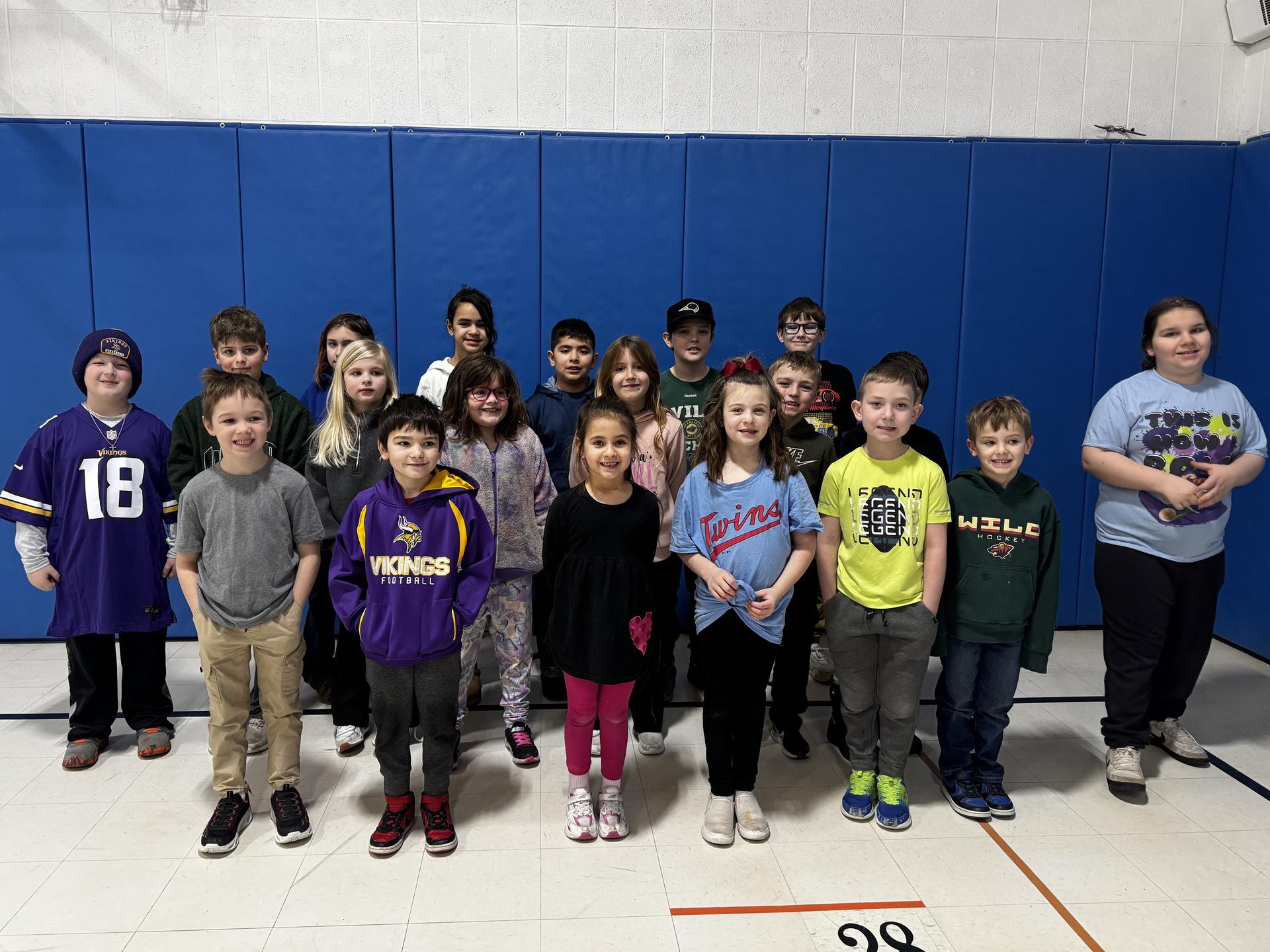
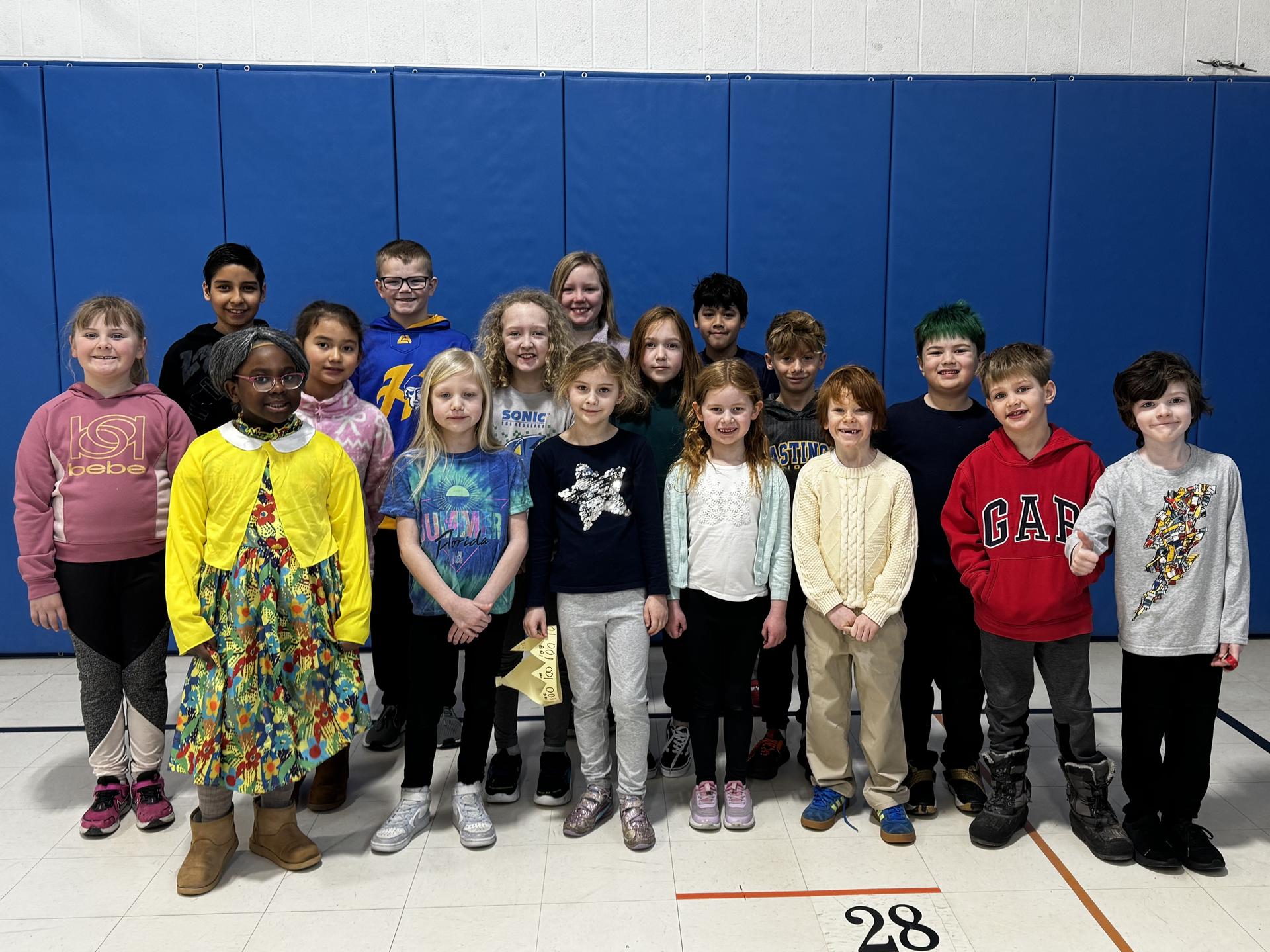
February PRIDE Winners
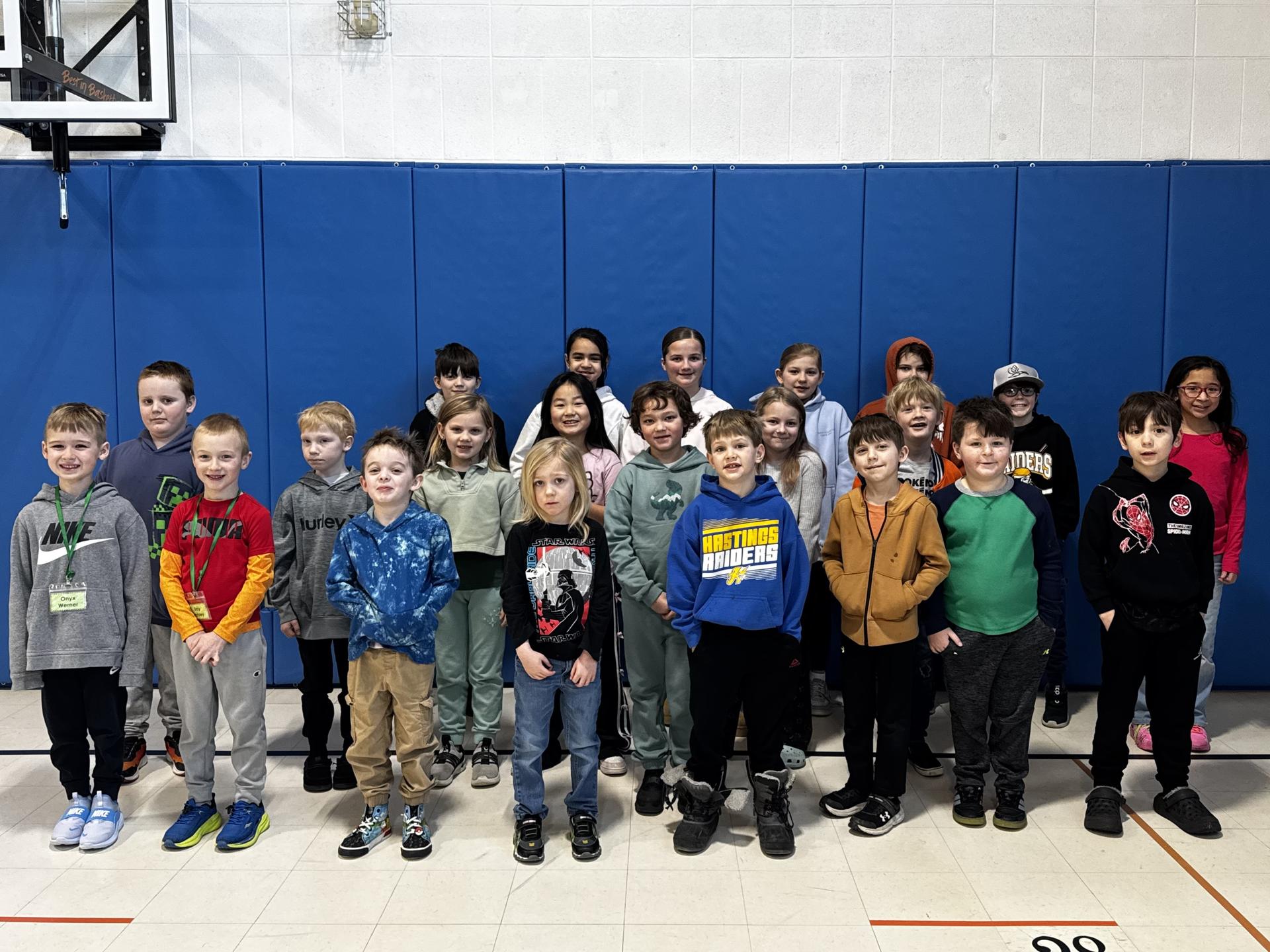
Congratulations to our February PRIDE Winners! |
|
|
| Join the Pinecrest PTA! Meetings are held the first Monday of each month at 7:15 pm in the Pinecrest media center. New members are always welcome!
Visit our Pinecrest Elementary Community Facebook Page for more information! |
|
|
|
The Music Room has been a busy place as we have had Heather Wallace from St. Olaf join us here. An introduction is at the end of this update. Grade 4 is practicing their rhythms ti-tika and tika-ti as well as their new melody house “Fa”. We will soon begin our unit on the absolute note names as we prepare for recorders, which we will begin after spring break.
Grade 3 is reading, writing and singing their new syncopated rhythm called ti-tah-tiBe sure to ask them about one of our new favorite songs titled “Bump Up Tomato”. Grade 2 is practicing reading, writing, performing and creating with their melodic houses “Do, Mi, Sol and La”. Very soon we will add a new melodic house to our repertoire, re.
Grade 1 students are working on the difference between beat and rhythm and recognizing the time signature, bar lines and double bar lines. We are practicing the reading of tah, ti-ti, and rest, (that is quarter note, eighth notes and quarter rest). Next up in our scope and sequence is melody, or how music goes up and down.
Kindergarten students are working on our new concept, inner hearing. Did you know musicians actually hear music in their heads? Soon we will discover how music is high and low! Please mark the following dates on your calendars for our spring music demonstrations and informances.
K-1 informances will be on April 16-17 during your child’s regular music class time in the music room. Grade 4 Music Demonstration Friday, May 15 8:25 am in the Pinecrest Gym. Grade 3 Music Demonstration Friday, May 15 9:25 am in the Pinecrest Gym. Grade 2 Music Demonstration Friday, May 15 10:25 am in the Pinecrest Gym.
Our Pinecrest Choir will continue our Tuesday morning rehearsals. We will be combining with the Kennedy and McAullife choirs for an evening concert on Monday, May 4th at 6:30pm in the Hastings Middle School Auditorium.
Please mark your calendars now for the annual Children’s Orchestra Concert. It is scheduled for Monday, March 9 at 6:00pm in the Hastings High School Auditorium. Admission is free. Local celebrities read and act out some of our favorite children’s books while the orchestra accompanies the re-telling of these books. Hope to see you all there! March Fine Arts Happenings Around the District
March 3 7th Grade Vocal Concert Middle School Auditorium 6:30pm
March 3 8th Grade Vocal Concert Middle School Auditorium 7:30pm
March 5 Show Choir Post Season Show High School Auditorium 7:00pm
March 9 Children’s Orchestra Concert High School Auditorium 6:00pm
March 26 HHS/HMS Jazz Concert High School Auditorium 7:00pm
March 31 HS Winter Vocal Concert High School Auditorium 7:00pm
Hello everyone!
My name is Heather Wallace and I am graduating from St. Olaf College with a BM Vocal Music Education degree in May! I am originally from New York City and grew up in Manhattan. I come from a very musical family and have been involved with choir and music for my entire life. I am currently the St. Olaf Choir president and also play handbells! I am so excited to be student teaching at Pinecrest and be a part of this community. Sincerely, Heather Wallace |
|
|
|
This past month students have continued learning all about the ELEMENTS OF ART through different projects and exploration!! We started with LINE last month and have moved on to SHAPE and COLOR!
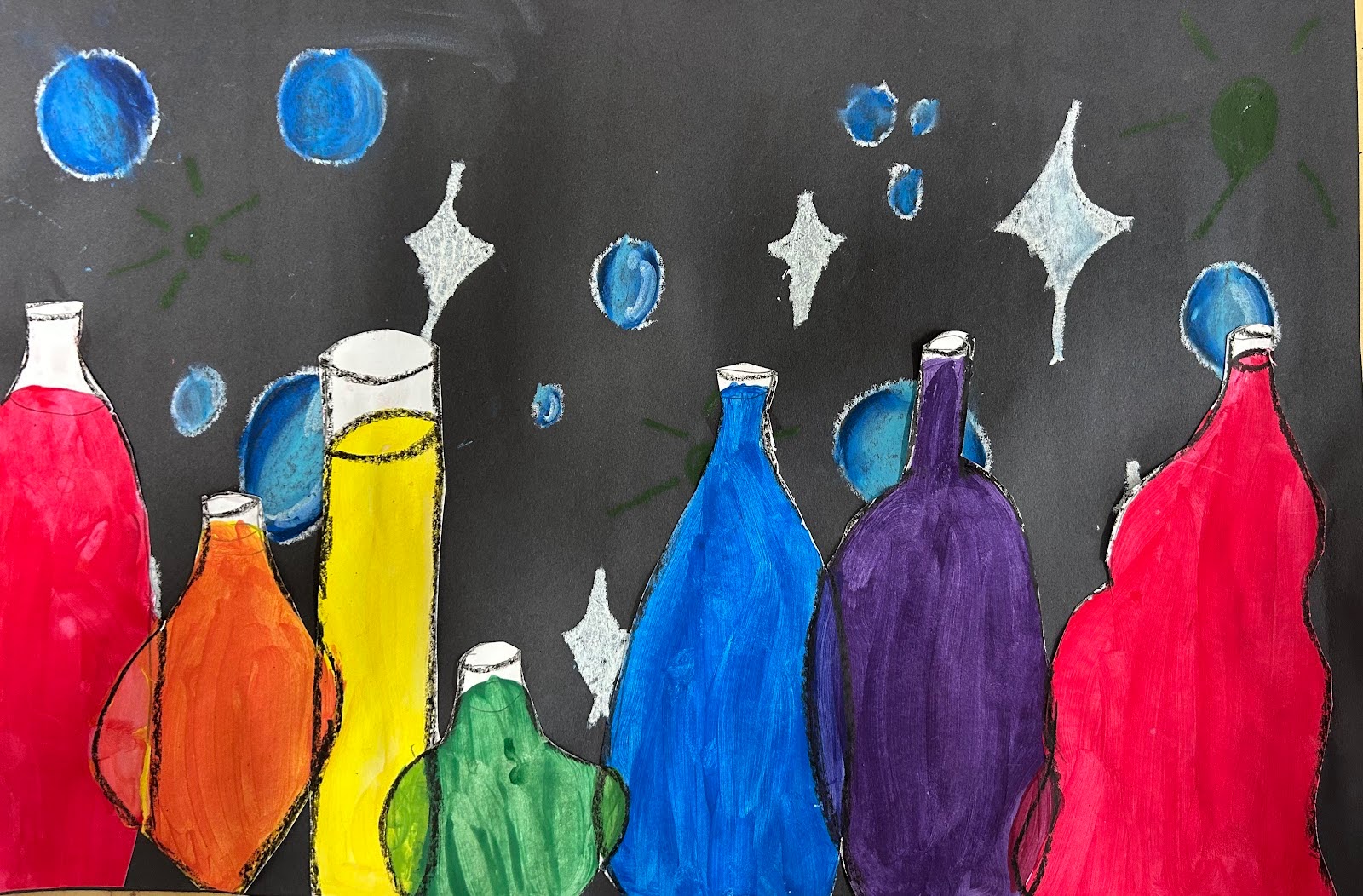
4th grade artists took it to the next level with their Color Chemistry paintings! They learned about how the three primary colors can create all of the other colors!! They put this to practice as they used those primary colors to mix and create the secondary AND tertiary colors!! Through this project we took some time to understand the science behind how and why we see color!
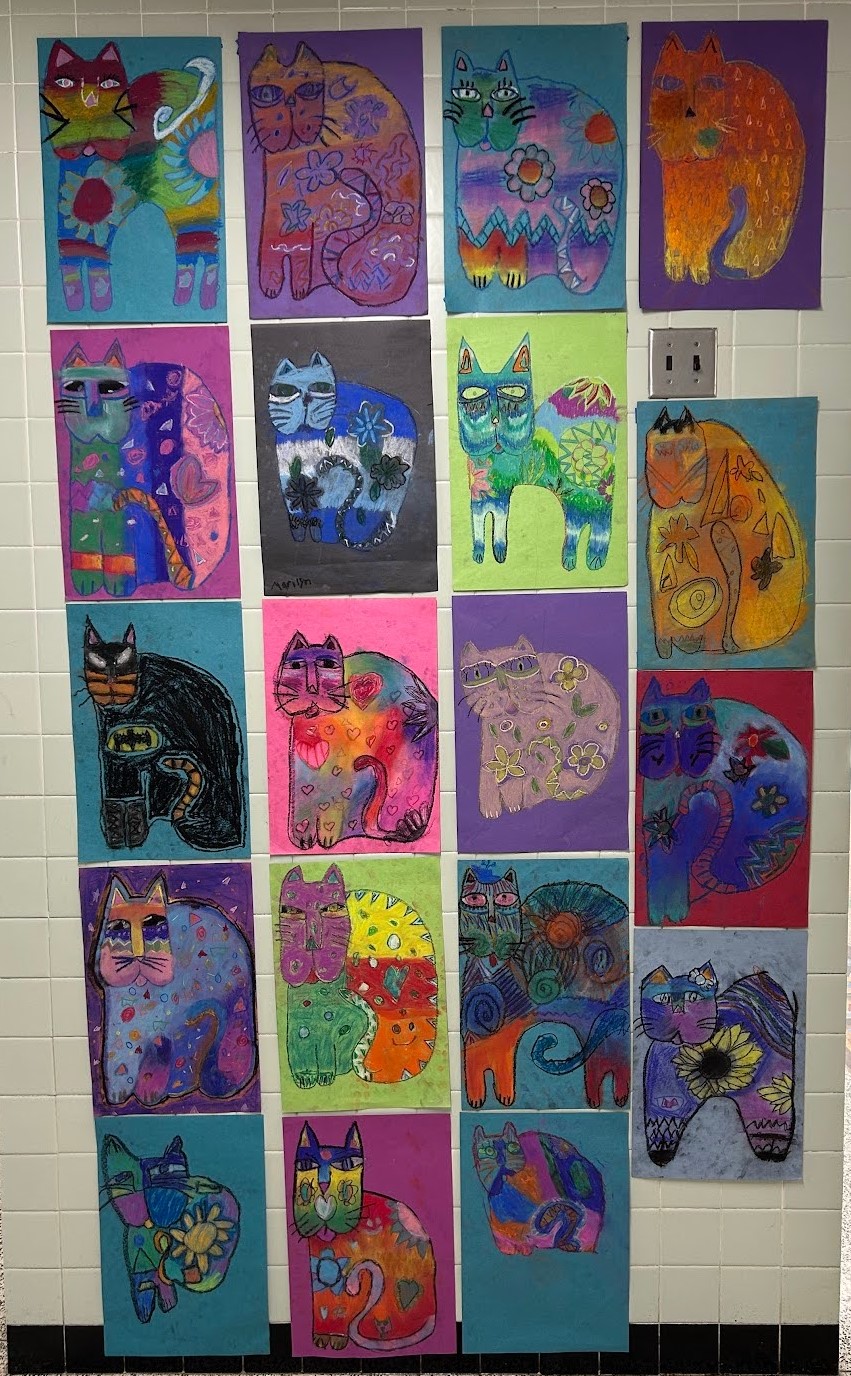
3rd graders began their color unit by looking at and discussing the art of artist Laurel Burch! They found it really interesting how she drew and painted from her imagination, so the things that she painted didn’t look entirely realistic at all!! We were inspired by her style of drawing to draw our own CATS!! We then took a look at different color schemes such as complementary and analogous colors before showing those in our art!! This project got nice and messy combining oil pastels and chalk to fill in our cats with color, but we loved the awesome mess!
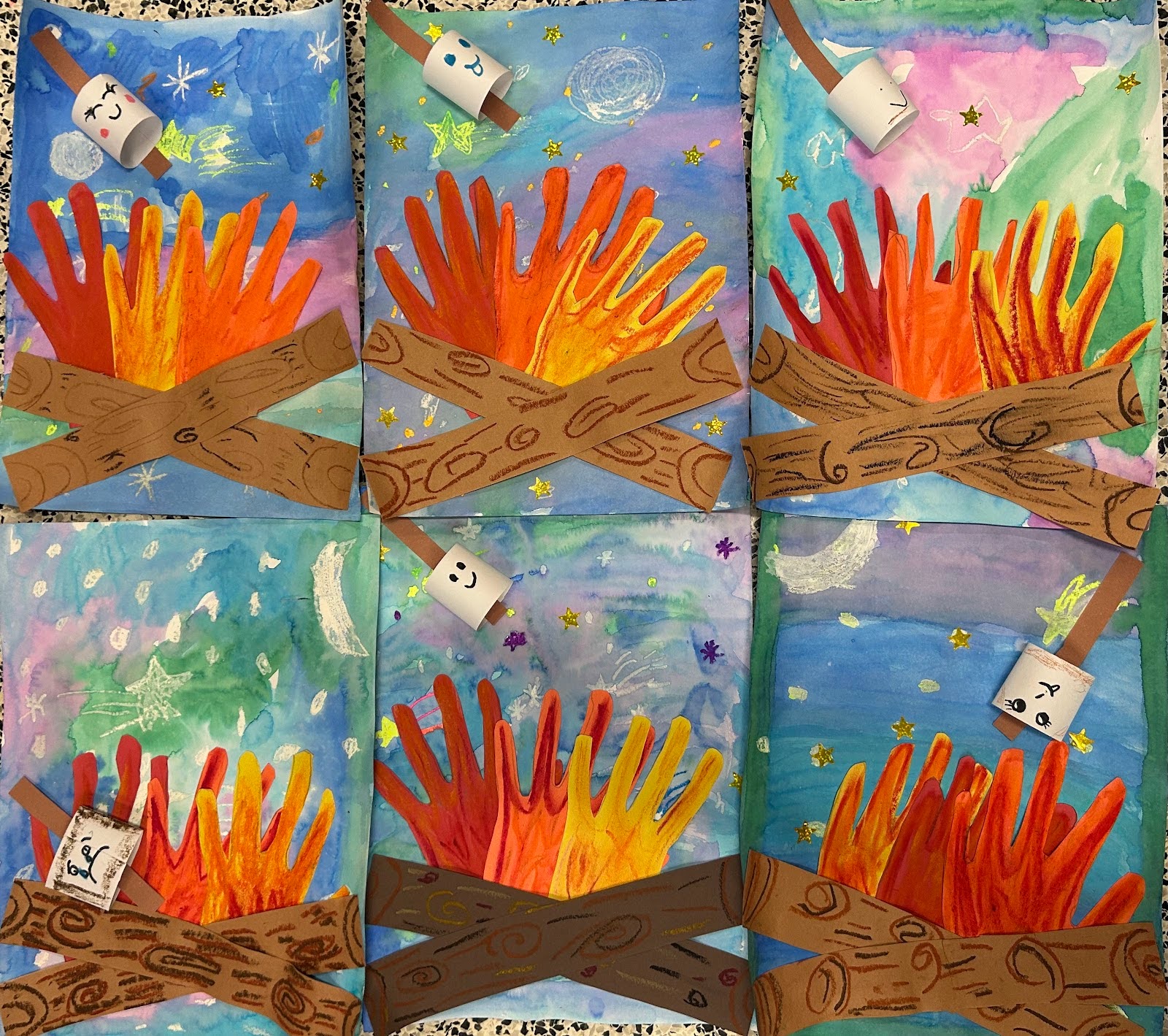
2nd grade artists took a look at different ways to group colors together before starting their Handprint Campfire projects!! They separated the color wheel into primary and secondary colors but also took it a step further and separated the color wheel into WARM and COOL colors! We used these two different color schemes for our project! 2nd graders used cool colored watercolor paint to paint the background night sky! They then used WARM color oil pastels to create their campfire flames made out of their handprints!!
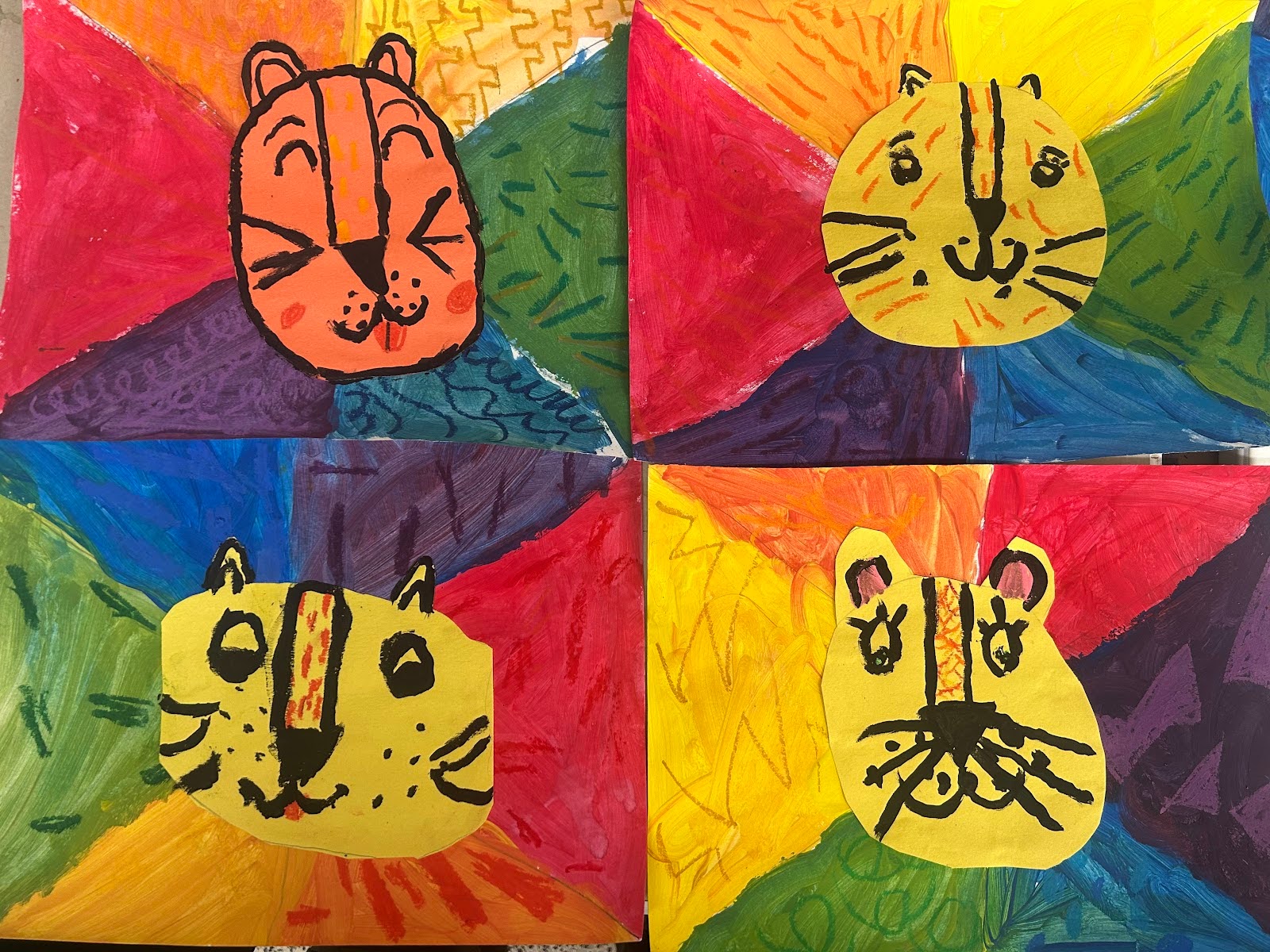
1st graders began their color unit by practicing their color mixing skills in their Color Wheel Lion project! They learned about how the primary colors (red, yellow, and blue) are able to mix in pairs to create SO many other colors including the three secondary colors (orange, green, and purple)! 1st graders were also such hard workers they also got to learn about the difference between warm (red, orange, yellow) and cool (blue, green, and purple) colors! They took a look at the artist Paul Klee and how he used shapes to create buildings before they got to work creating their own cities!
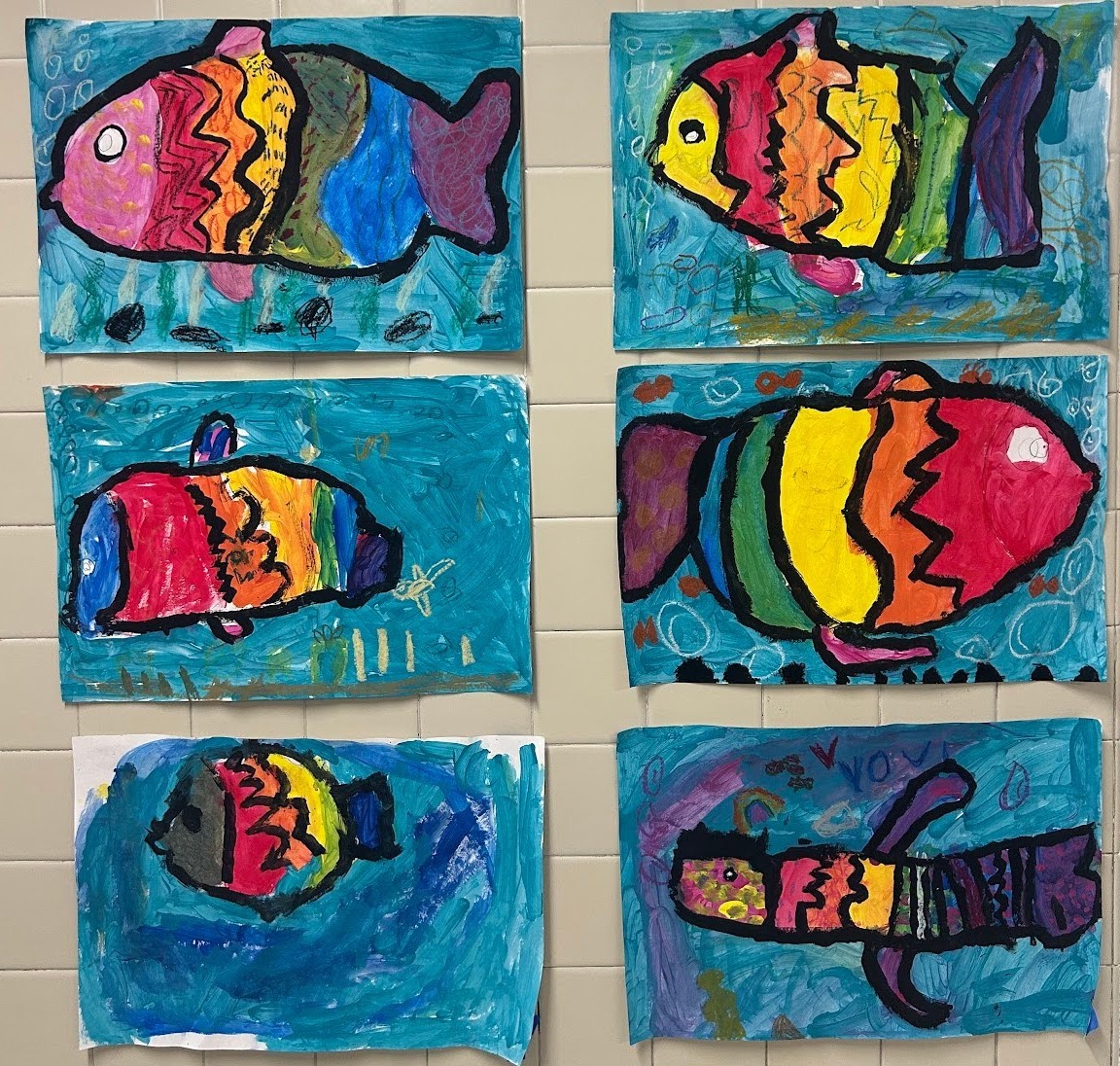
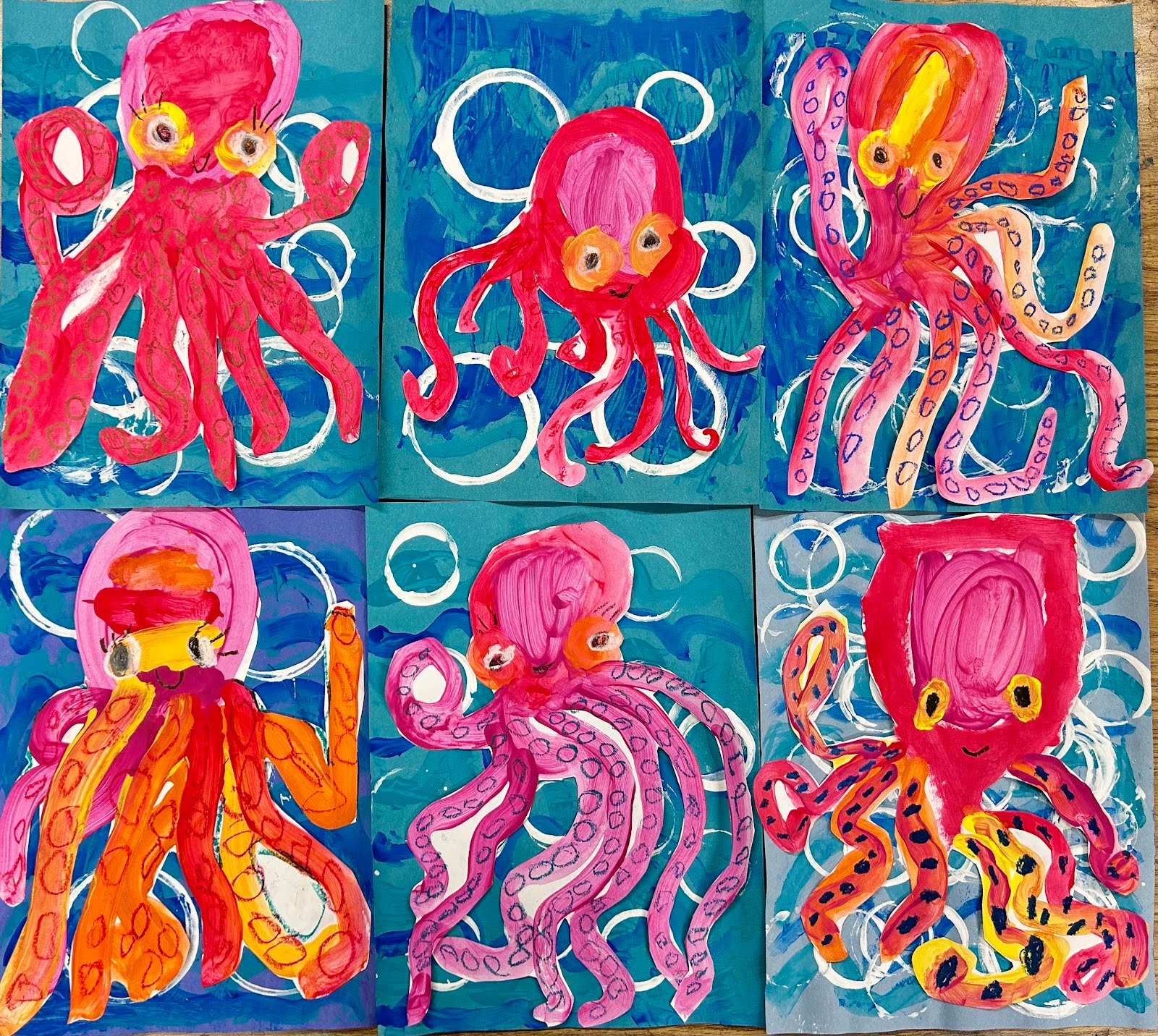
Kindergarteners worked on two different projects just like the 1st graders during their color projects! They learned all about coloring mixing with the primary colors to create the secondary colors to paint their Rainbow Fish. They then used oil pastels to add all sorts of unique details on the fish and in the “ocean” behind them! Artists in kindergarten got to stick with the underwater theme as they learned about warm and cool colors during their Octopus project! And they turned out cuter than I could have expected!
Take a look at some examples of these projects all these awesome artists have been working on! |
|
|
|
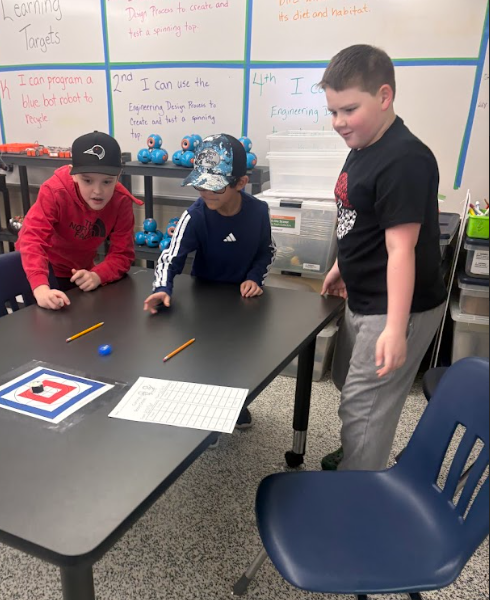
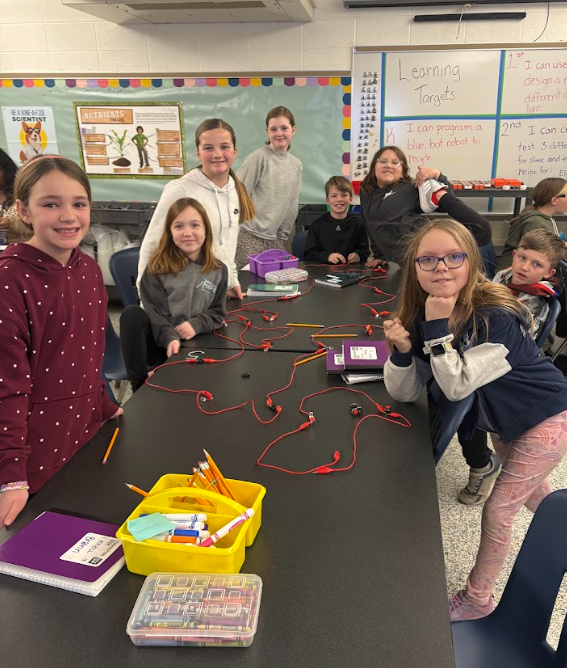
Greetings wonderful Pinecrest community! Our month has been highly interactive and hands-on in STEM! We spent the first half of February finishing up the units we began in January before we kicked off our STEM Winter Olympics! Each Olympic event focuses on a specific Winter Olympic Sport: Figure Skating, Curling, Ski Jump and Slalom. We begin by discussing the science involved in the sport, for example, figure skaters utilize angular momentum to overcome gravity. After breaking down the concepts involved in the sport, we complete a challenge related to the sport. In the case of figure skating, students created spinning tops with the goal of achieving the longest spin.
I am so proud of how students encouraged one another and kept trying when an initial attempt didn’t work out as planned. Through trial and error, their resilience is growing and becoming stronger. It is impressive to watch and a privilege to teach. Thank you for all you do! Kindergarten
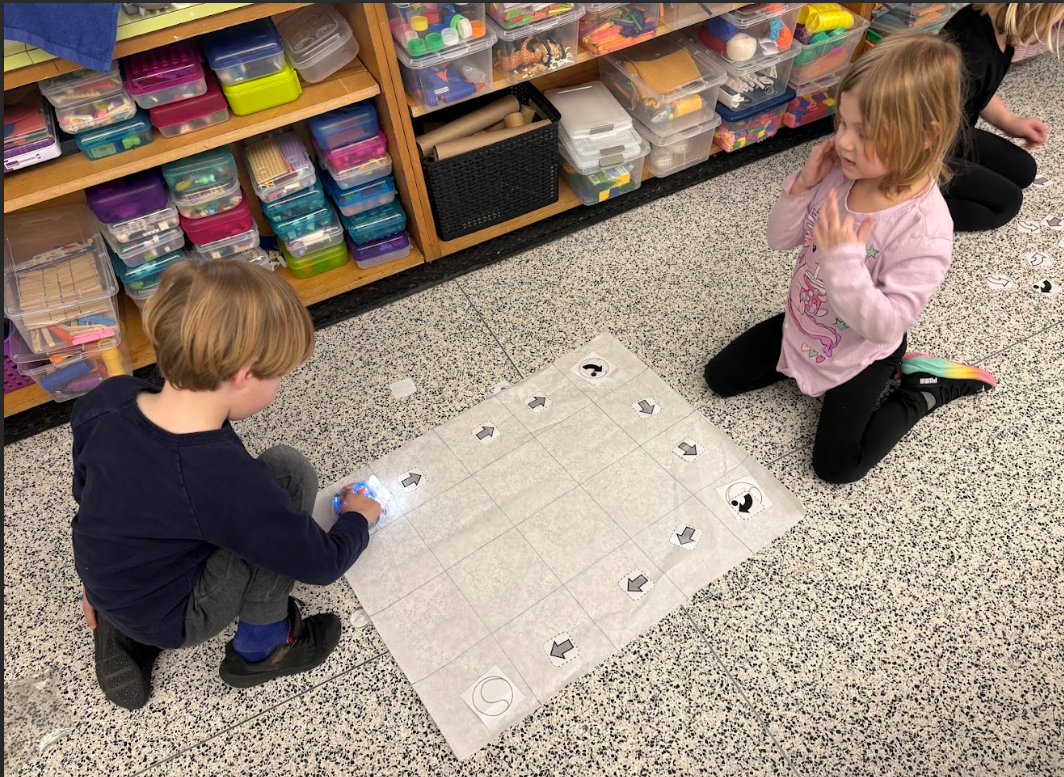
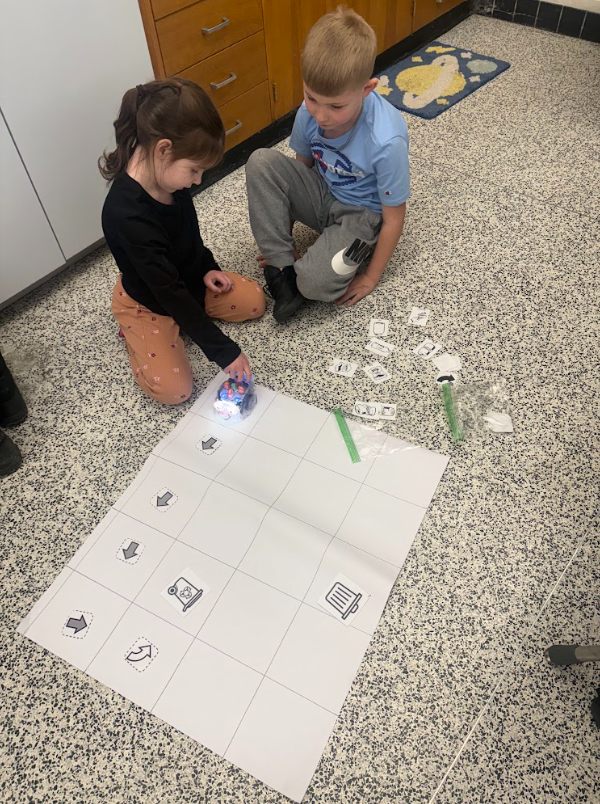
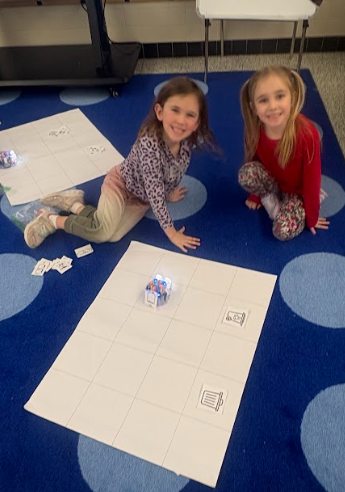
We began February with our new unit Programming Robots to Recycle. Students learned what a landfill is and the importance of keeping things out of the landfill when possible. We discussed what happens at the recycling center and played some recycling games where students turned trash into treasure. We ended the unit by programming a robot (blue-bot) to help deliver trash to the trash can and recycle to the recycling bin. The students had a great time learning how to program the robots and then finding success in creating a program that the robots followed.
Kindergarten is ending February with their first Winter Olympic challenge: figure skating. Students will be using magnets to get their ice skater to dance and twirl on the ice. We will finish our STEM Winter Olympics with a Slalom challenge. Once we are back from spring break, Kindergarten will begin a new unit investigating and comparing various types of sponges, both natural and man-made. |
|
|
First Grade
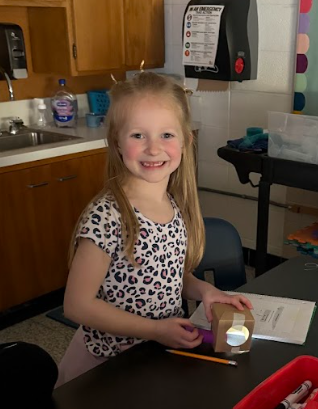
First graders engineered a night light for the first half of February. Like engineers in industry, first graders were given a problem to solve. The problem involved a girl named Yazmin and her cousin Nasir having a sleepover. One loved to sleep with lots of light and the other didn’t like a lot of light. Students designed and built a nightlight to meet both their needs. We finished this unit by creating a nightlight to take home and the students really enjoyed this part of the project!
In the last half of February, students worked on the STEM Winter Olympic challenges. We started with creating a top that spins after discussing figure skating and then moved onto curling. They had so much fun and creative ideas in building the stones they used to play each other in curling. We are closing out February with a ski jump challenge, after which we will be doing a slalom challenge.
Once students return from spring break, we will begin our next unit: Building Bridges. In this unit, students will learn about civil engineering through hands-on activities with various types of bridges. They will be testing designs and materials for strength with the goal of creating a bridge that can hold the most weight. |
|
|
Second Grade
Second graders got the opportunity to learn about the field of chemical engineering by creating and testing slime using various ingredients. We used three recipes for creating different versions of slime. The slime was judged on its elasticity, shape retention and stiffness. Students recorded their results and used these parameters to decide on the recipe they wanted to remake for their final recipe. This project was messy and took quite a long time, but the response from the students was tremendously positive. They were engaged and serious in their testing. It was rewarding and incredible to watch these future engineers and scientists so committed and focused!
We are currently carrying out our STEM Winter Olympics! We began with figure skating before moving onto curling. For our last two sports, we will be challenged with ski jumping and slalom. The students are pumped to do the slalom because we will be using our new DASH robots to complete the slalom course! |
|
|
Third Grade
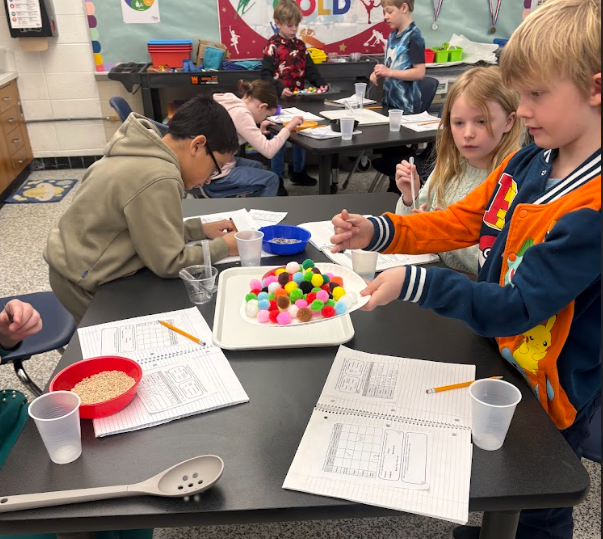
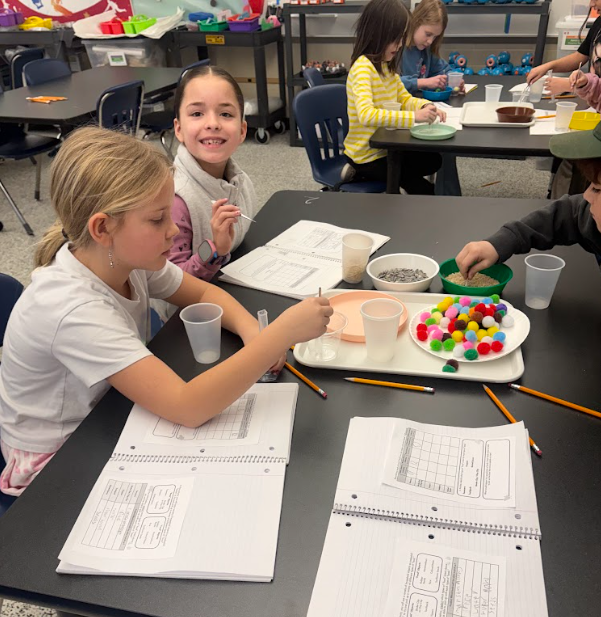
Third grade wrapped up the animal trait unit with a bird beak activity. Students used different tools (tweezers, droppers, binder clips, spoons) to pick up food that represented various parts of a bird diet. Students got 20 seconds with each tool and each food to see which beak worked best on the different foods. The activity was a wonderful way to understand how bird beaks impact a bird’s diet and we extended that into the other parts of a bird. Students got to see how bird wings and feet can indicate the habitat of the bird. These projects and discussions are so important as students learn to value observation and noticing - key aspects of science and engineering.
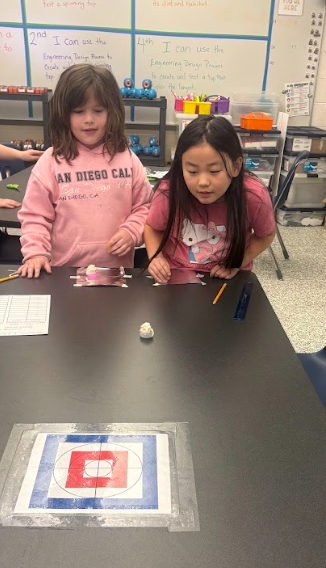
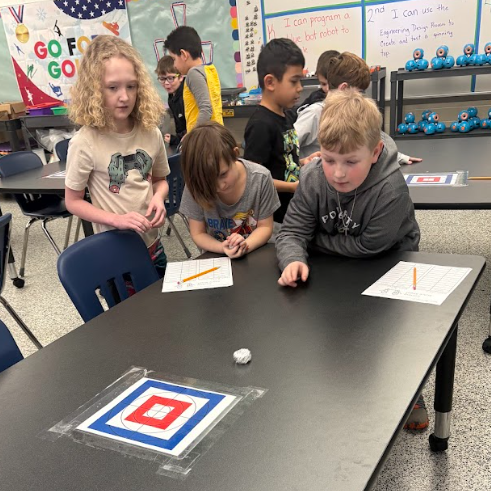
Once our animal traits unit concluded, we kicked off the STEM Winter Olympics. Our first challenge was curling and students had a great time creating their curling stone and then playing the game with it. This provided a great opportunity to practice building, testing and improving. In STEM we emphasize that when your experiment does not give you the desired result, do not view it as failure but as information that gets you closer to your answer. Next up for third grade is the ski jump, followed by the slalom.
|
|
|
Fourth Grade
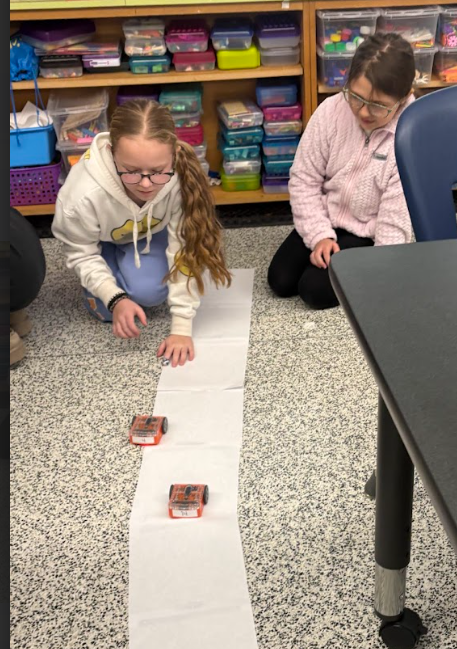
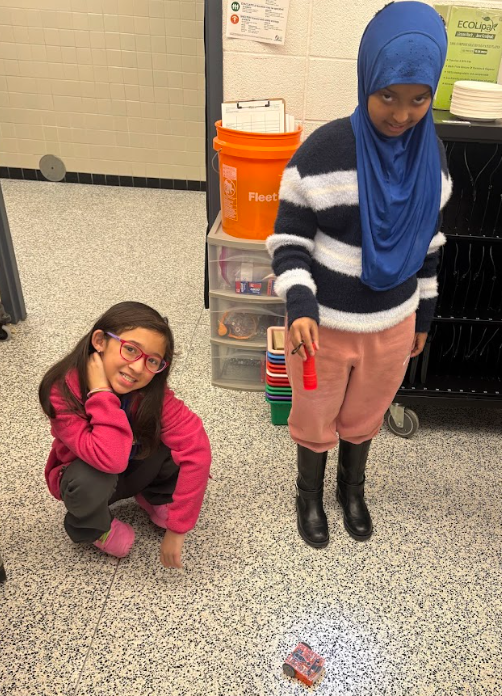
This month began with Edison robots for fourth graders. In completing our Color and Light properties, we experimented to see what colors the Edison robot can “see” easily and what colors it struggles to catch. The Edison robot emits a red light from an LED on their underside and uses a sensor to measure the amount of light reflected back. The Edison uses a sharp drop-off in reflected infrared light to “see” a color and proceed with the programmed action, in our case stopping. What we found was that the black, blue and green lines absorb the red light the most, giving Edison the sharp drop-off it is looking for and producing an immediate stop. What was impressive about the students during this investigation is that they took it further on their own. They started drawing thicker lines, dashed lines and wavy lines, as they were genuinely curious about what the robot could do. Once we finished our experiment, students had a great time trying out other programs on the robots, like following a flashlight or driving when the student clapped.
The STEM Winter Olympics began for fourth grade during the second week of February. Students were challenged with ice skating and curling. The activity that went with ice skating was creating a top that could spin the longest. To increase spin time, students were shown that they needed to increase the angular momentum of their top by increasing its speed, mass, or radius. Students were given an option of lids, skewers, washers and tape to create their top. After creating the tops, students then competed with each other for the longest spinning top.
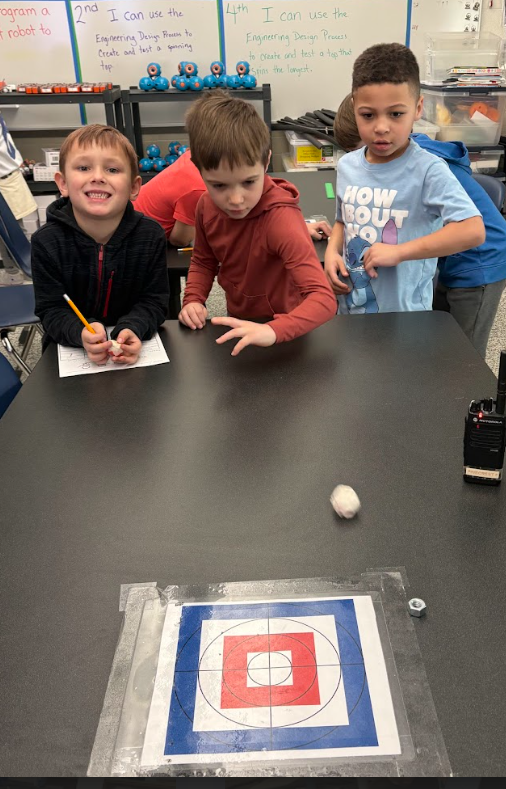
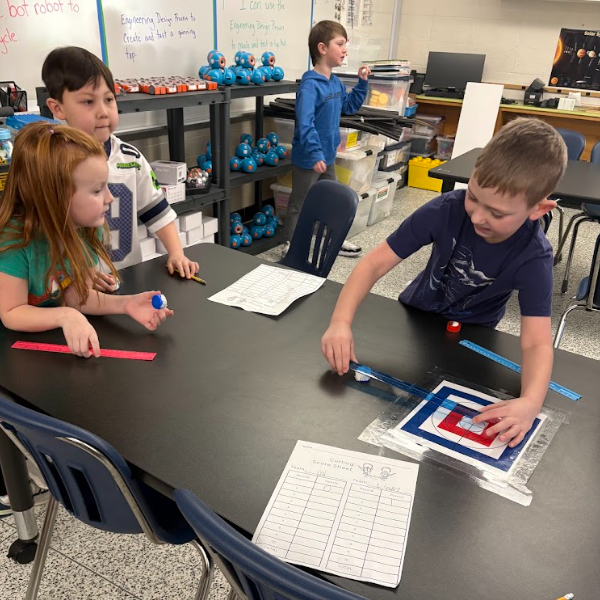
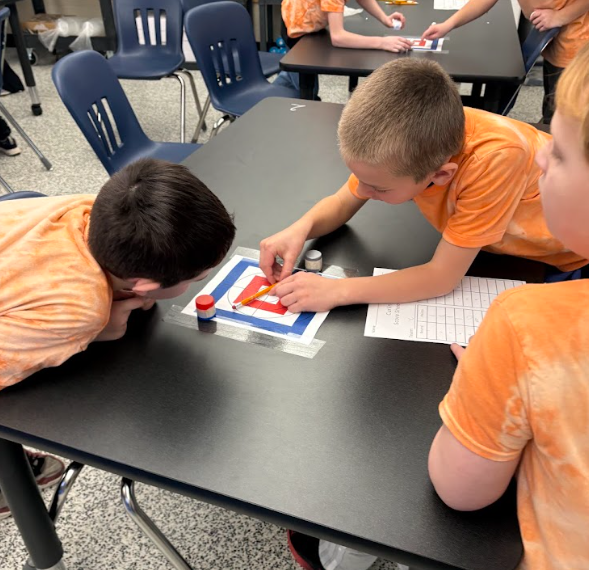
In curling, students created their own stone using a bottle cap, hex nuts, coins and mentos. Here we focused on minimizing friction and students got to see how they minimize friction in the actual curling event on ice. Students in fourth, third and second grade had the option to add wax paper, copy paper or aluminum foil to help minimize friction for their stone. Once they completed their stones, they competed against each other. This event seemed the most enjoyable for all grades as there was a lot of engagement and enthusiasm in learning about and playing the game. We will be wrapping up the STEM Winter Olympics with the ski jump and the slalom. After spring break, fourth grade will start a new unit: A Stick in the Mud: Evaluating a Landscape. In this unit we will study soil, erosion and landscape to determine the best location for a bridge (TarPul) in a small village in Nepal.
|
|
|
Order your Spirit Wear! Can be customized to our school! |
|
|
|
|